
Navigating Tariffs and Supply Chain Challenges: Why Local Food Production Matters
Introduction
Supply chains have always been complex, but recent global events have made them even more unpredictable. Between food safety concerns, disruptions caused by COVID-19, and evolving tariff policies, businesses and organizations that rely on food imports have faced increasing challenges. These factors highlight why local food production is more important than ever - whether for farmers, schools, hospitals, or businesses looking to create a more stable and reliable food source.
One way to navigate these challenges is by reducing reliance on traditional supply chains and producing food closer to where it's consumed. Freight Farms offers a solution by empowering businesses, institutions, and communities to grow fresh, high-quality produce year-round - no matter the disruptions affecting global markets. By eliminating the uncertainties of tariffs and supply shortages, local food production puts control back into the hands of those who need it most.

Photo Credit: Andy Li
The Case for Growing Locally in a Shifting Market
Tariffs are taxes imposed on imported goods, including food and agricultural products. While they serve various economic purposes - such as protecting domestic industries or responding to international trade policies - they have also historically increased costs for businesses and, in turn, consumers. These added expenses can lead to shifts in supply chains, making it more challenging for organizations to source food affordably and consistently.
What Tariffs Mean for Freight Farmers
For Freight Farms operators, tariffs can reinforce the value of growing food closer to home. By producing fresh, high-quality crops locally, Freight Farmers can bypass many of the supply chain disruptions caused by tariffs and other economic shifts. Some key advantages include:
Cost stability – By growing food on-site, farmers reduce dependence on fluctuating international prices and import fees.
Reliability – A local supply means fewer delays and disruptions compared to imported produce.
Sustainability – Shorter supply chains reduce transportation emissions and contribute to a more resilient food system.

Why Growing Your Own Food Is More Important Than Ever
Whether you're a school, hospital, business, or entrepreneur, investing in local food production provides more than just cost savings - it ensures access to fresh food when supply chains become unpredictable. Freight Farms’ hydroponic technology allows organizations to control their own production, eliminating many of the variables that affect traditional farming and food imports.
Beyond tariffs and supply chain disruptions, climate volatility and seasonal limitations can make it difficult to source certain crops consistently. With Freight Farms, operators can grow what they want, when they want, where they want - regardless of external factors. This level of control ensures fresh, high-quality produce with same-day harvest-to-plate opportunities, reducing reliance on fluctuating markets and unpredictable growing conditions.
At a time when global trade policies and economic shifts are causing uncertainty, localized food production offers a sustainable and strategic solution. By growing food where it's needed most, businesses and communities can take charge of their supply chains and ensure fresh, nutritious produce is always available—no matter what changes come next.
Talk to our team about local food production to learn more about how you can implement a vertical farming solution into your organization or business!
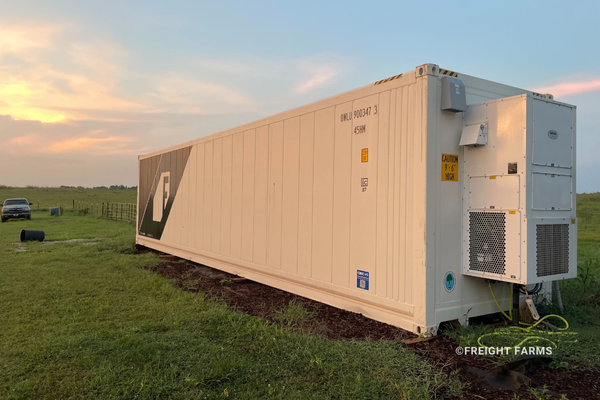
Wondering how much it costs to ship a container farm? Learn what factors influence delivery and crane pricing - and how to avoid unexpected charges.
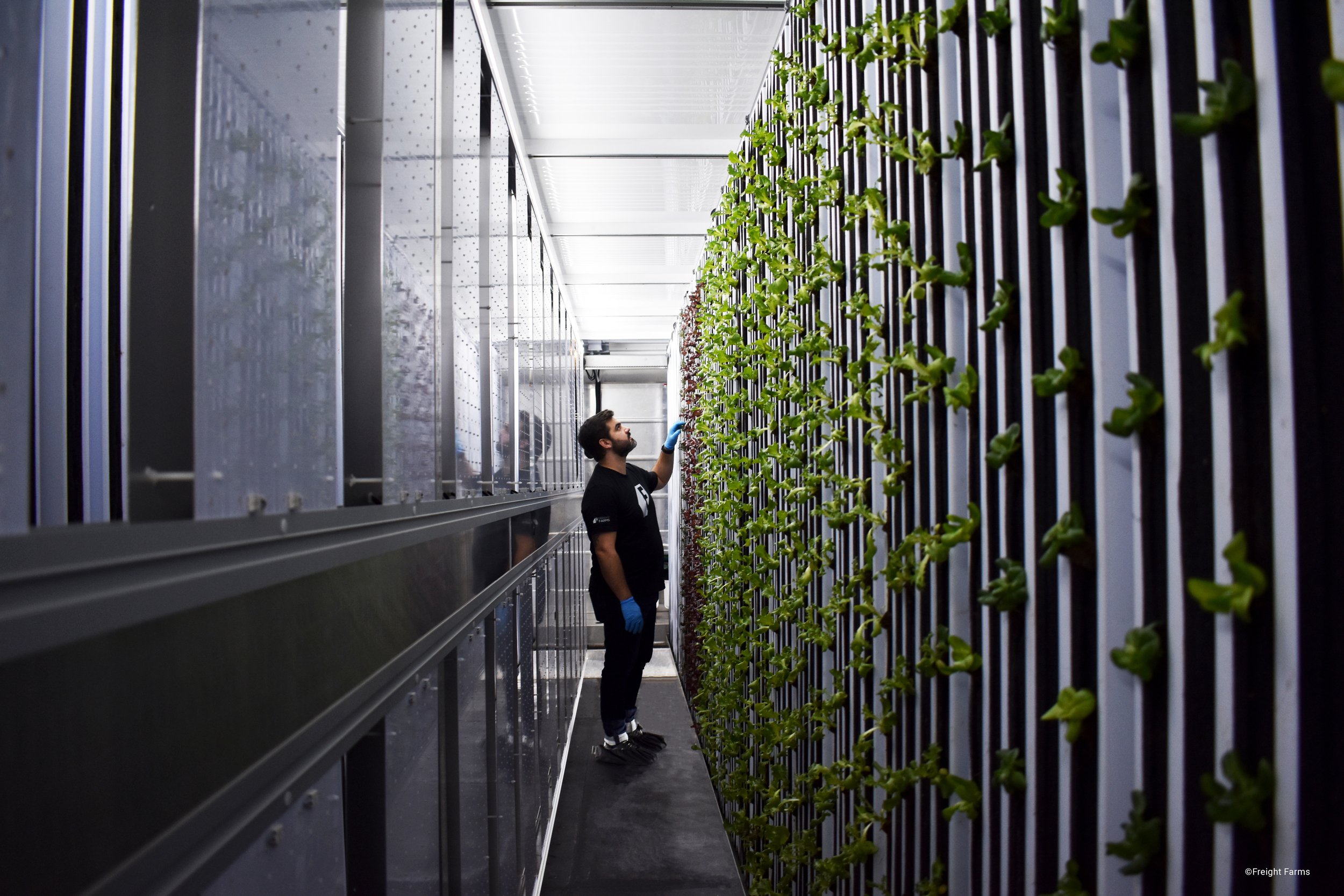
Global supply chains are unpredictable, but local food production with Freight Farms’ Greenery™ container farm helps businesses, schools, and hospitals take control—growing what they want, when they want, where they want.

Grants can help fund your Freight Farm! Learn where to find grants, how to write a winning application, and what to expect in the process.

Grants provide a path to funding a Freight Farm for schools and community programs, offering fresh produce, hands-on education, and sustainability benefits. Explore funding options and how to apply today!

Grants can help fund your Freight Farm and make your vision a reality. This guide covers how to find the best funding opportunities, build a compelling application, and stay grant-ready year-round. Explore our expert tips and resources today!

Freight Farms tackles pressing agricultural challenges like PFAS contamination, soil scarcity, and climate volatility. Learn how our hydroponic systems provide clean, sustainable solutions for resilient food systems.

Discover why 2025 is the ideal time to start a hydroponic farming business. From food safety and local sourcing to sustainability and advanced technology, this guide covers the key trends and opportunities shaping the future of agriculture.

Discover how Freight Farms’ Greenery™ provides a sustainable solution for clean, healthy crops while reducing the harmful impacts of traditional pesticide use.

Hydroponic farming is a revolutionary way to grow plants without soil, using nutrient-rich water systems for faster growth and higher yields. Discover the key benefits, popular hydroponic systems, and real-world applications from nonprofits to healthcare, zoos, and more, all driving sustainable food solutions. Learn how you can get started with Freight Farms' customizable hydroponic solutions today."

Discover 16 compelling reasons to start container farming today! From becoming your own boss and contributing to your community, to growing fresh, local produce year-round, container farming offers personal, financial, and environmental benefits.

Urban agriculture is revolutionizing food production in cities, transforming unused spaces like rooftops and vacant lots into thriving farms. Discover how urban farming enhances food security, sustainability, and economic growth, while reducing environmental impact.

Hospital-based farming is an innovative approach that integrates agricultural practices within healthcare settings to improve patient outcomes. Hospitals can enhance patient recovery, reduce food insecurity, and promote overall well-being by providing fresh, nutritious food directly from on-site farms.

Learn about 6 important things to consider when packaging your crops. We've compiled some resources to help you determine how to package hydroponic crops and what kind of packaging best suits the needs of you and your customers. We cover value propositions, branding, vegetable preservation, customer segments, and more.

Freight Farms provides a straightforward, sustainable solution for growing produce. This guide offers a comprehensive look at the daily, weekly, and monthly tasks required to maintain a Freight Farm, with detailed steps to give prospective buyers a clear understanding of farm management.

Co2 plays a crucial role in plant growth by aiding photosynthesis, turning carbon dioxide into energy. By supplementing Co2, plants grow larger, retain more moisture, and become more efficient with water use. Learn when to use Co2 and how it can enhance your farm’s output.
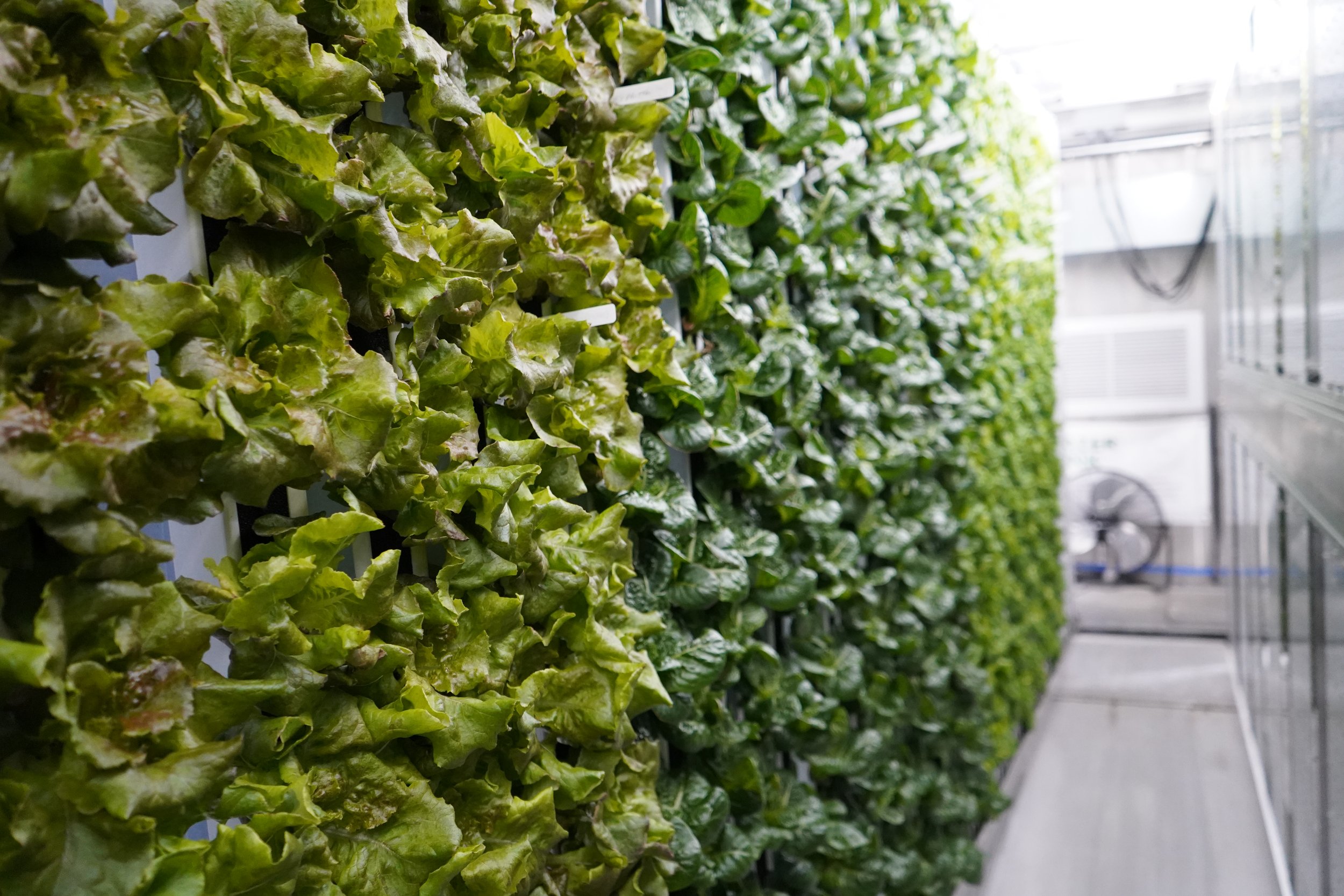
As vertical farming grows, so do the possibilities for crops you can cultivate in your farm. From leafy greens to herbs and even experimental crops, Freight Farms offers a vast range of options. However, with so many choices, it’s essential to start with a solid crop plan.

Schools across the country are finding innovative ways to make their Freight Farms more functional and educational for students. By customizing the interior and exterior, schools can turn these farms into engaging spaces for hands-on learning, science projects, and sustainability initiatives.
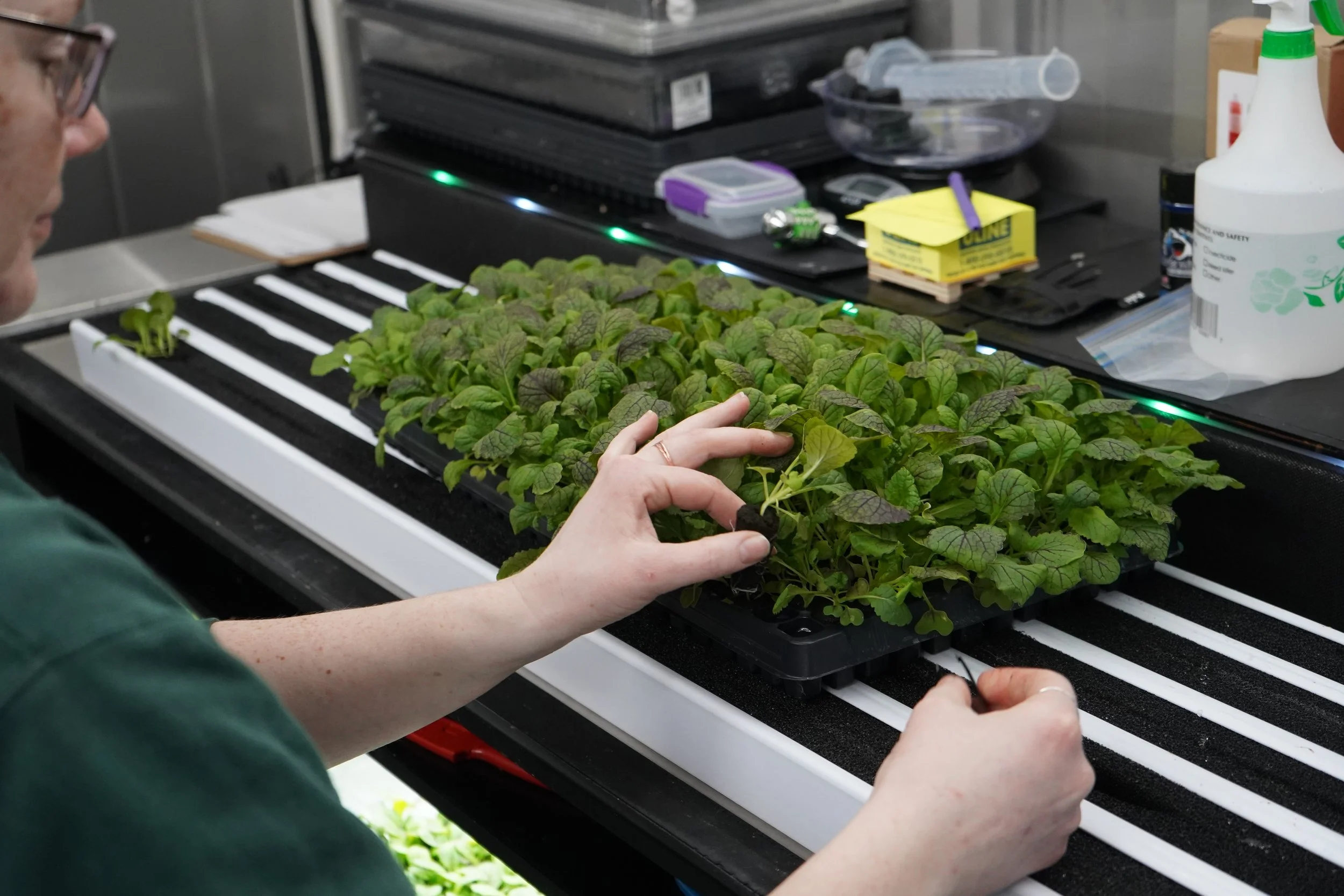
Discover essential cleaning tips for your Freight Farm to boost plant health and maximize efficiency. Learn how daily maintenance routines can prevent pests, bacteria, and algae, keeping your vertical farm productive and thriving.

Your grocer only sells a tiny fraction of the thousands of varieties of edible greens that exist in nature. At Freight Farms, we’re able to grow delicious and unique plants that you likely haven’t seen at the store.
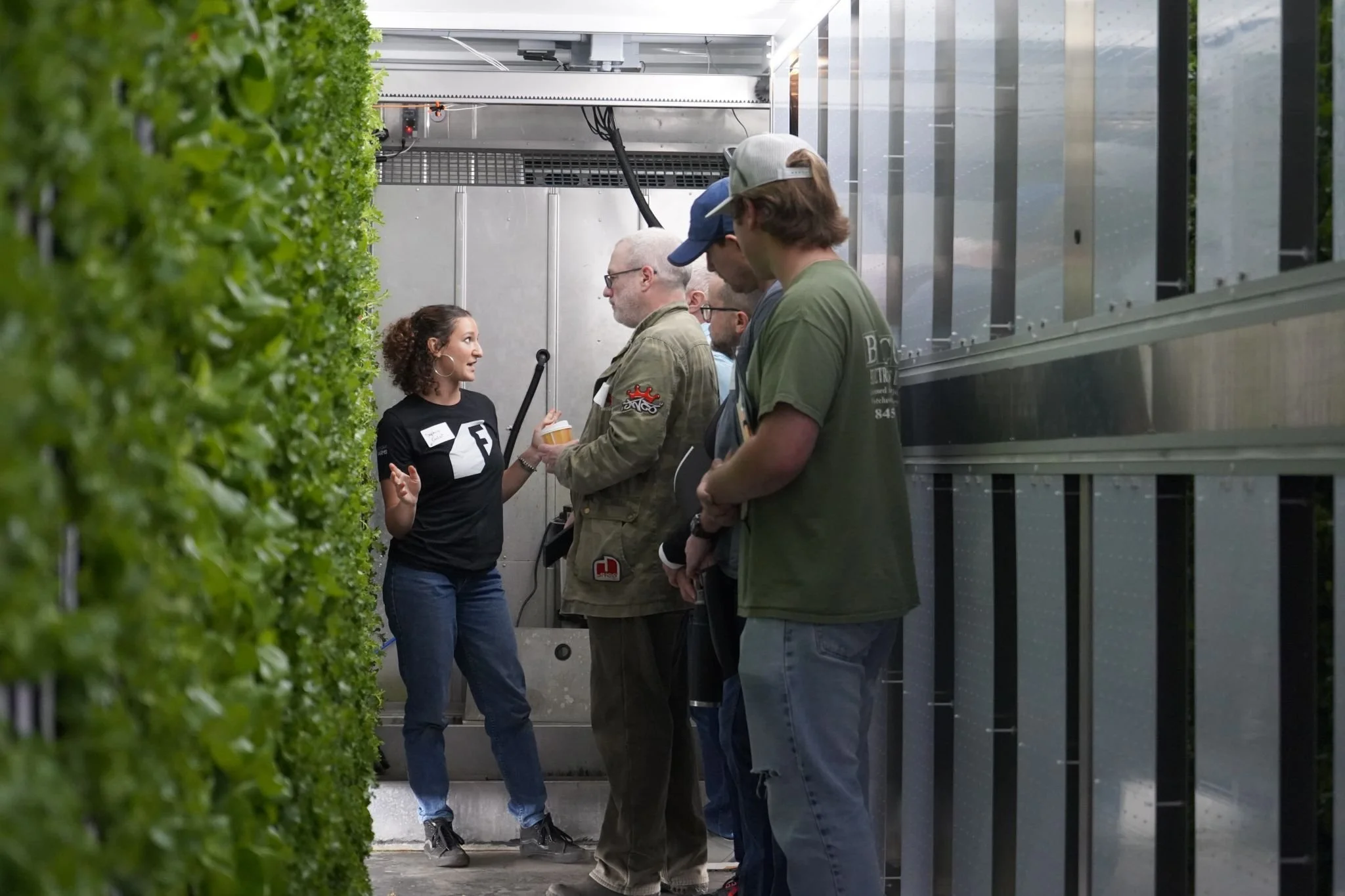
Ongoing changes to our world, such as increasingly extreme weather and population growth have led many people, particularly in urban communities, to take a long, hard look at food production and distribution.

Freight Farms had the pleasure of exhibiting at three education-focused events, each providing a unique platform to connect with educational decision-makers. Our mission was to share the benefits of vertical farming, showcasing how a container farm can serve not just as a food source for the school and/or community, but as a dynamic classroom for various courses, research, and STEM opportunities.

For new Freight Farmers, equipping themselves with the right tools is crucial. Here's a detailed guide to the top 10 essential items from farmhand® that every new Freight Farmer should consider.

In this guide, we break down the four steps to completing a crop cycle in our hydroponic container farm and the labor requirements you can expect.

The most important resource we have on Earth is not a fossil fuel or a precious metal — it’s water. A stunning majority (over 70%!) of the world’s freshwater is used for agriculture … but while it’s monopolizing all that water, agriculture steadily pollutes the world’s water supply. In observance of Earth Day, we’re exploring water scarcity and pollution and the potential for controlled environment agriculture to improve farming’s role in it all.
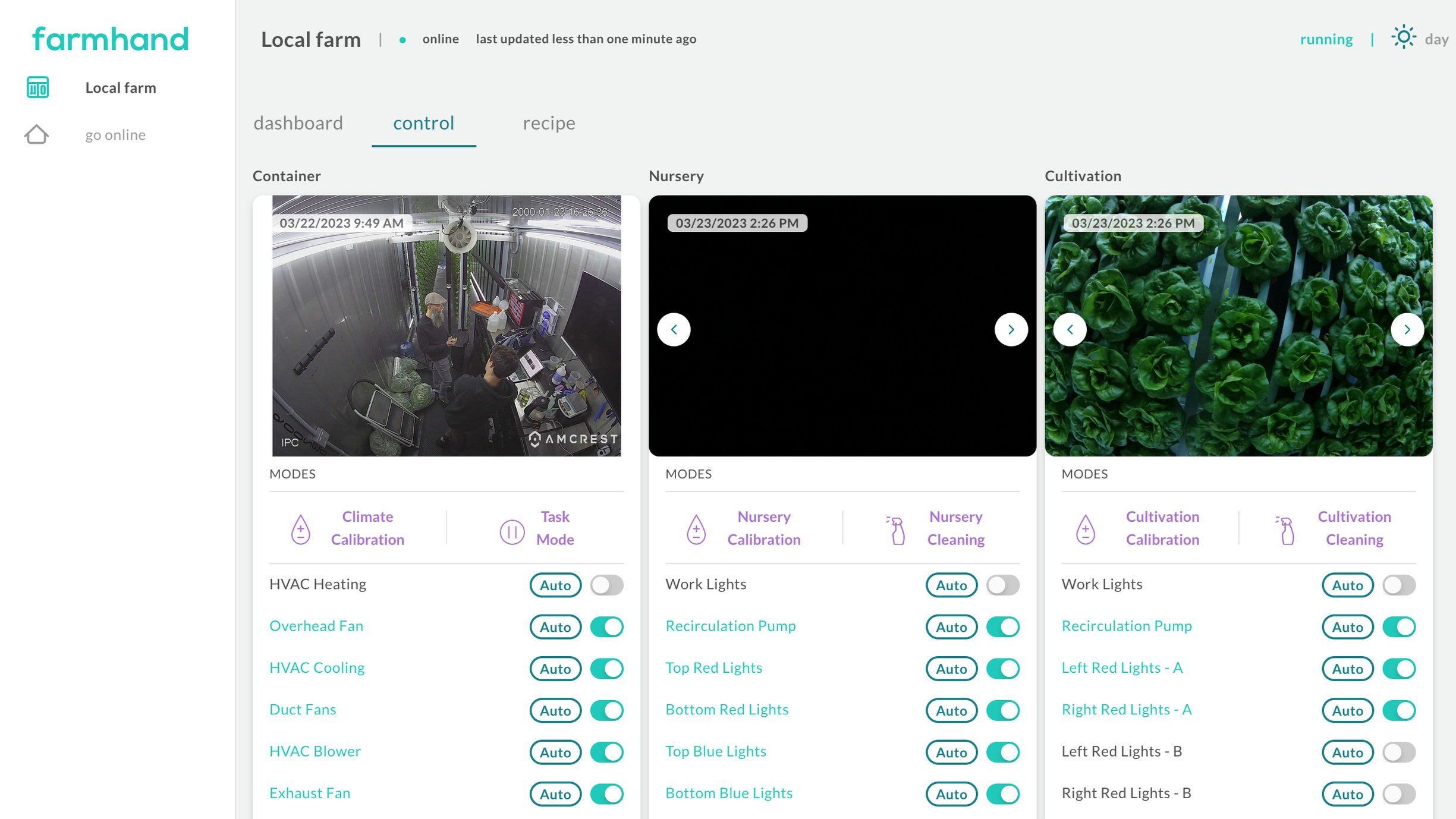
Farmhand, Freight Farms' farm automation software, makes farming manageable. This critical tool is one that every Freight Farmer should take advantage of. It allows you to remotely monitor and control your farm, plan farm tasks, coordinate farm operators, collect key farm and harvest data, and analyze data to understand and optimize farm operations. Around the clock, it's a farmer's best friend!

This International Women’s Day, we’re celebrating the women in farming — growers, entrepreneurs, leaders, and disruptors — who inspire us every day. These female leaders in agriculture have gone above and beyond to bring positive change to food and agriculture in communities all over the world!

Ever wonder how Freight Farmers around the world all grow food year-round, regardless of the season or conditions? The secret is advanced climate control and insulation to create a perfect controlled environment agriculture platform for indoor farming. Thanks to these systems, Freight Farms can continue to grow, even in extreme heat or surrounded by piles of snow.

We recently released a new line of hydroponic nutrients! Our in-house team of plant scientists worked diligently to curate and test these new and improved hydroponic nutrients: farmhand form, grow, and boost. Over 160+ trials, the new farmhand nutrients were tested against a comparable competing nutrient blend and showed a 30% yield increase, on average. What makes them so powerful? We break down the three-part formula.
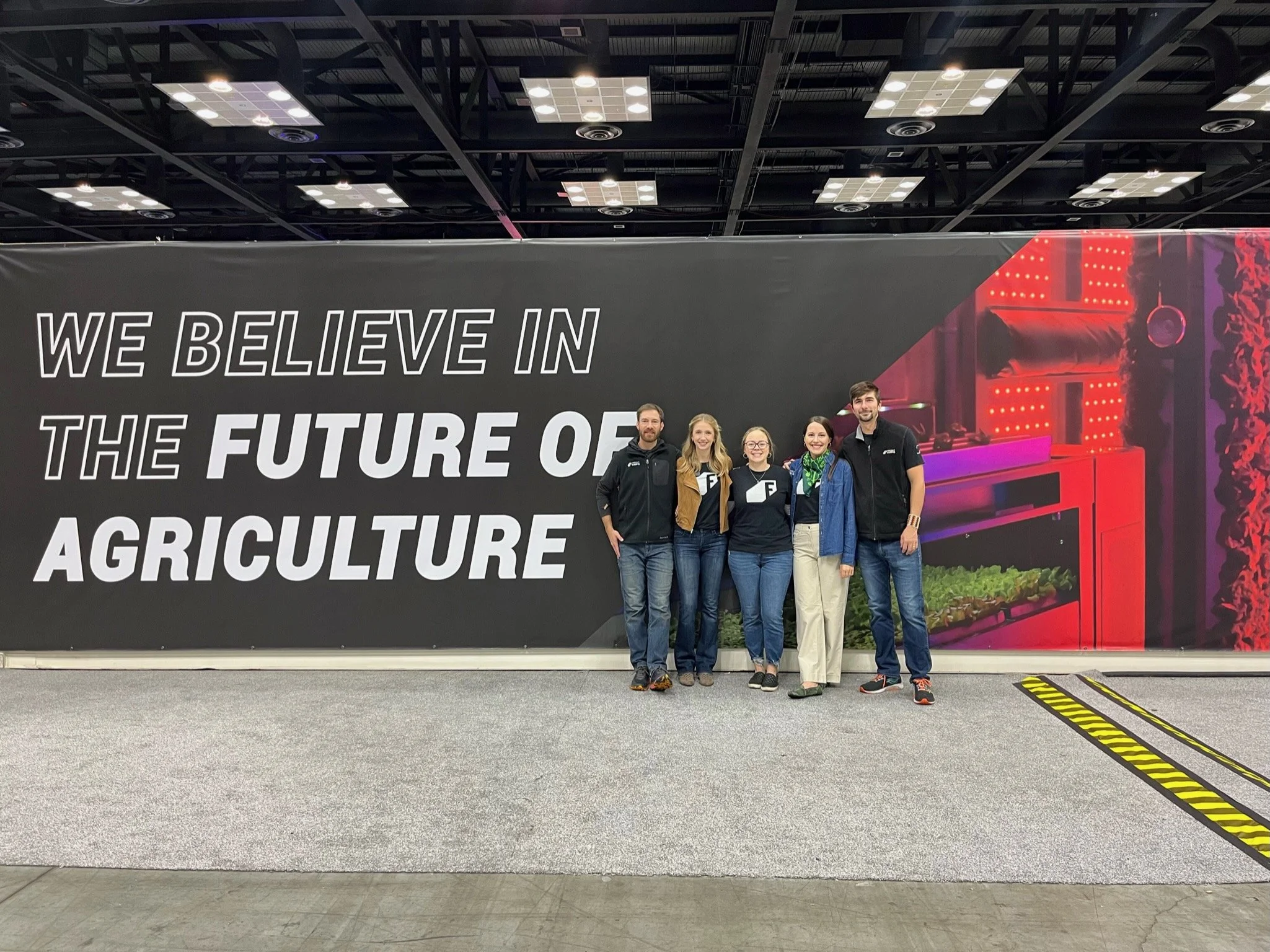
We had the opportunity to exhibit at the 2022 FFA National Convention and Expo, and were blown away by the event. We were consistently impressed by the FFA students’ maturity and knowledge and their advisors’ passion. The experience only solidified our belief that hydroponic container farms and FFA chapters are a perfect match. Read our full takeaway from the event!
Future planning for your Freight Farms delivery? Learn what your site needs, what to expect on delivery day, and how to avoid common surprises.